
Many Thing About World

Happy Day
- Be Happy With Who You Are
- Eat and sleep
- No Alcohol
- Exercise


The cat (Felis catus), also called domestic cat and house cat, is a small carnivorous mammal. It is an obligate carnivore, requiring a predominantly meat-based diet. Its retractable claws are adapted to killing small prey species such as mice and rats. It has a strong, flexible body, quick reflexes, and sharp teeth, and its night vision and sense of smell are well developed. It is a social species, but a solitary hunter and a crepuscular predator. Cat communication includes meowing, purring, trilling, hissing, growling, grunting, and body language. It can hear sounds too faint or too high in frequency for human ears, such as those made by small mammals. It secretes and perceives pheromones. Cat intelligence is evident in its ability to adapt, learn through observation, and solve problems. Female domestic cats can have kittens from spring to late autumn in temperate zones and throughout the year in equatorial regions, with litter sizes often ranging from two to five kittens.
The domestic cat is the only domesticated species of the family Felidae. Advances in archaeology and genetics have shown that the domestication of the cat started in the Near East around 7500 BCE. Today, the domestic cat occurs across the globe and is valued by humans for companionship and its ability to kill vermin. It is commonly kept as a pet, working cat, and pedigreed cat shown at cat fancy events. Out of the estimated 600 million domestic cats worldwide, 400 million reside in Asia, including 58 million in China. The United States leads in cat ownership with 73.8 million cats, followed by the United Kingdom with approximately 10.9 million cats. It also ranges freely as a feral cat, avoiding human contact. Pet abandonment contributes to increasing of the global feral cat population, which has driven the decline of bird, mammal, and reptile species. Population control includes spaying and neutering.
The dog (Canis familiaris or Canis lupus familiaris) is a domesticated descendant of wolves. Also called the domestic dog, it was selectively bred during the Late Pleistocene by hunter-gatherers. Dogs and the modern gray wolf share a common ancestor.[4] Dogs were the first species to be domesticated over 14,000 years ago, before the development of agriculture, though genetic studies suggest the domestication process may have begun over 25,000 years ago. Due to their long association with humans, dogs have gained the ability to thrive on a starch-rich diet that would be inadequate for other canids.
Dogs have been bred for desired behaviors, sensory capabilities, and physical attributes. Dog breeds vary widely in shape, size, and color. They have the same number of bones (with the exception of the tail), powerful jaws that house around 42 teeth, and well-developed senses of smell, hearing, and sight. Compared to humans, dogs possess a superior sense of smell and hearing, but inferior visual acuity. Dogs perform many roles for humans, such as hunting, herding, pulling loads, protection, companionship, therapy, aiding disabled people, and assisting police and the military.
Communication in dogs includes eye gaze, facial expression, vocalization, body posture (including movements of bodies and limbs), and chemical communication (scents, pheromones, and taste). They mark their territories by urinating on them, which is more likely when entering a new environment. Over the millennia, dogs have uniquely adapted to human behavior; this adaptation includes being able to understand and communicate with humans. As such, the human–canine bond has been a topic of frequent study, and dogs’ influence on human society has given them the sobriquet of “man’s best friend“.
The global dog population is estimated at 700 million to 1 billion, distributed around the world. The dog is the most popular pet in the United States, present in 34–40% of households. Developed countries make up approximately 20% of the global dog population, while around 75% of dogs are estimated to be from developing countries, mainly in the form of feral and street dogs.


- Nutritional Value: Most vegetables are packed with nutrients, such as potassium, fiber, folate, vitamin A, and vitamin C. They are low in calories and have a water content of over 70%, which is beneficial for hydration.
- Health Benefits: Regularly consuming vegetables can lower blood pressure, reduce the risk of heart disease and stroke, and support digestive and eye health.
- Types of Vegetables:
- Root Vegetables: Carrots, potatoes, beets, turnips, and onions.
- Leafy Greens: Spinach, kale, and cabbage.
- Cruciferous Vegetables: Broccoli, cauliflower, and Brussels sprouts.
- Others: Tomatoes, cucumbers, peppers, mushrooms, and asparagus.
- Preparation: Vegetables can be eaten raw or cooked (boiled, steamed, roasted, grilled) and are often added to soups and casseroles.
- Dietary Importance: Experts recommend filling half your plate with fruits and vegetables to ensure a diverse intake of nutrients and antioxidants.
- Spinach & Kale: Rich in iron and vitamins.
- Broccoli & Cauliflower: High in fiber and vitamins.
- Sweet Potatoes & Carrots: Excellent sources of vitamin A.
- Tomatoes & Bell Peppers: High in vitamin C.
- Consuming a, varied, and colorful selection of vegetables is essential for maintaining a healthy diet.
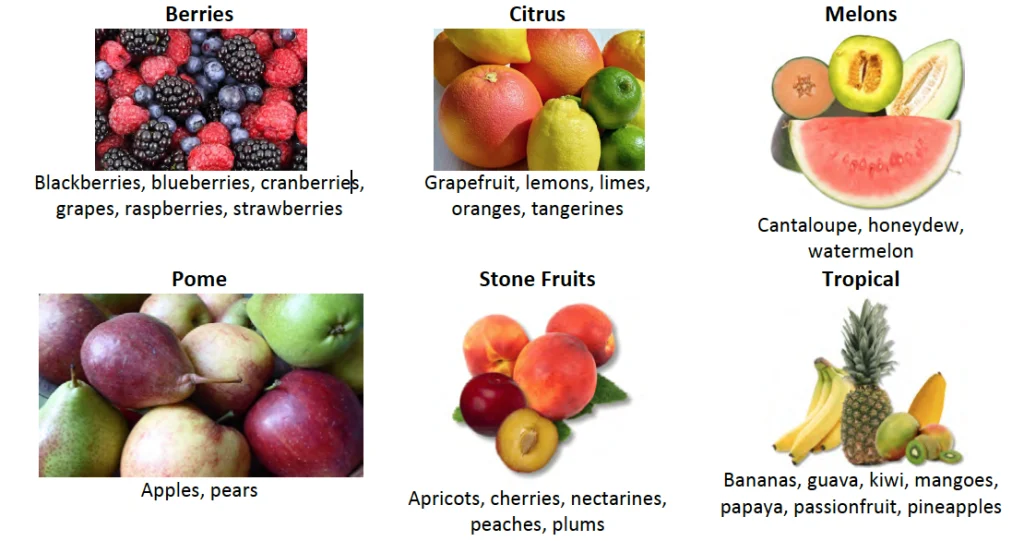
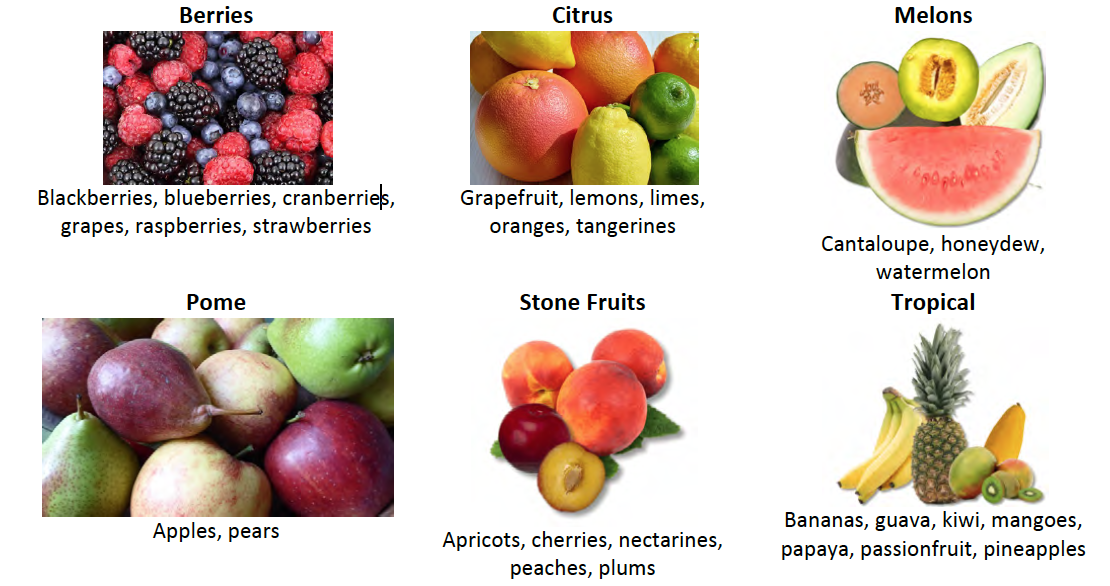
Fruits are the mature, seed-bearing ovaries of flowering plants, serving as vital sources of nutrients like vitamins (C, A), fiber, and antioxidants, while acting as a crucial part of a healthy diet. Botanically, they are mechanisms for seed dispersal, encompassing fleshy, sweet produce (berries, citrus) as well as nuts and grains.
Key Aspects of Fruits:
- Nutritional Benefits: High in water, natural sugars, vitamins, and minerals, they are low in fat (except for avocados/nuts). They are essential for a balanced diet, helping to prevent disease, and aid digestion.
- Botanical Definition: Fruits develop from the fertilized carpel of a flower, with types including simple (one flower/ovary), aggregate (one flower/multiple ovaries), and multiple (multiple flowers/ovaries).
- Types & Examples:
- Citrus: Oranges, grapefruits, lemons.
- Berries: Strawberries, blueberries, grapes.
- Melons: Watermelon, cantaloupe.
- Stone Fruits (Drupes): Peaches, apricots, nectarines.
- Tropical: Mangoes, bananas, papaya.
- Storage & Usage: Fresh fruits should be eaten within a few days; most last longer in the refrigerator.
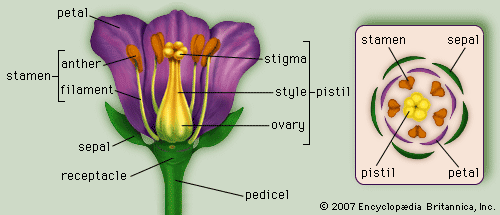
Flowers are the reproductive structures of angiosperms (flowering plants), serving to produce seeds through pollination, which is often facilitated by insects, wind, or birds. Composed of petals, sepals, stamens (male), and pistils (female), they exhibit immense diversity in color, shape, and size to attract pollinators. Beyond reproduction, flowers provide nectar, food, and have significant aesthetic, cultural, and emotional effects on humans
- Structure and Parts:
- Petals: Often colorful and scented to attract pollinators.
- Sepals: Leaf-like structures at the base that protect the developing bud.
- Stamen (Male Part): Produces pollen.
- Pistil/Carpel (Female Part): Receives pollen and contains ovules that develop into seeds.
- Reproduction: Flowers facilitate the union of male and female gametes. After fertilization, the ovary develops into a fruit containing seeds.
- Types and Variety: There are over 352,000 species of flowering plants, ranging from small blossoms to large, showy, or clustered flowers (inflorescence). Examples include roses, lilies, orchids, and sunflowers, which exhibit unique characteristics like heliotropism.
- Functions:
- Ecological: They are vital for plant reproduction and provide food for pollinators.
- Human Significance: Flowers are used for emotional expression, medicine, decoration, and in various cultural ceremonies.
- Growth: While many prefer sunlight, flowers grow in diverse environments, including the Arctic.
- Flowers represent a critical, complex, and beautiful aspect of nature essential for plant reproduction and ecosystem health.

Key Aspects of Scenery:
Natural Landscapes: Includes scenic views of nature, such as mountains, forests, rivers, and coastal areas, often with vibrant colors and sun rays.
- Benefits: Exposure to natural scenery is positively correlated with improved mental health, reduced stress, and enhanced recovery rates, notes .
- Theater/Art: Scenery refers to the backdrop, set, or physical environment created for plays and movies, according to Vocabulary.com and Wikipedia.
- Descriptive Elements: Effective descriptions of scenery often use sensory details—sights, sounds, smells—and metaphors, such as comparing mountains to sleeping trolls or describing clouds as a “dome”.
- Landscapes: Expanses of land (e.g., mountains, valleys, forests).
- Seascapes: Views of the sea.
- Urban Green Infrastructure: Natural elements integrated into urban environments, which can improve aesthetic value.
- Seasonal Changes: The aesthetic appeal of changing colours, such as autumn.

Key Characteristics & Anatomy
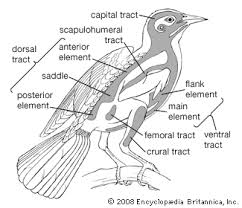
- Feathers: Unique to birds, these provide insulation, enable flight, and assist in mating displays.
- Beaks: Toothless, keratin-based beaks vary by diet, from tearing meat to cracking nuts.
- Flight Adaptations: In addition to wings, they have a 4-chambered heart and high metabolism.
- Reproduction: All birds lay hard-shelled eggs, usually in nests, and care for their young, with incubation periods ranging from 10 to 80 days.
- Diversity: Birds exist in nearly every environment, from deserts to the Antarctic.
- Ecological Role: They are crucial for ecosystems, acting as pollinators, seed dispersers, and pest controllers.
- Behavior: Many are social, communicating through complex songs and calls, notes Roundglass Sustai
- Passerines: More than half of all bird species are perching birds (passerines), notes Wikipedia.
- Flightless Birds: Ratites like emus and ostriches have adapted to life on land.
- Waterbirds: Seabirds and penguins have evolved for diving and swimming.
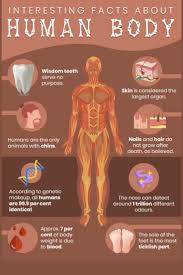
Humans (Homo sapiens) are the only extant species of the genus Homo, characterized by high intelligence, bipedalism, complex language, and large brains relative to body size. Evolving in Africa from primate ancestors roughly 300,000 years ago, they are distinct in their capability for abstract reasoning, symbolic expression, and advanced technology.
- Biology: Humans are primates (mammals) with hairless skin, upright posture (bipedalism), and opposable thumbs for advanced manual dexterity. They share 95–99% of their DNA with chimpanzees and bonobos.
- Cognition & Culture: Characterized by advanced cognitive skills, including art, music, literature, and the use of education to pass on skills.
- Evolutionary Origins: The human lineage separated from chimpanzees 7–5 million years ago, with Homo sapiens emerging in Africa and later migrating globally.
- Behavior: Humans are highly social, territorial, and adapt to varied environments by modifying their surroundings.
- Physical Changes: The human body matures slowly, with aging characterized by reduced bone density, skin changes, and increased vascular rigidity.
Add Your Heading Text Here
Add Your Heading Text Here



This is the heading
This is the heading